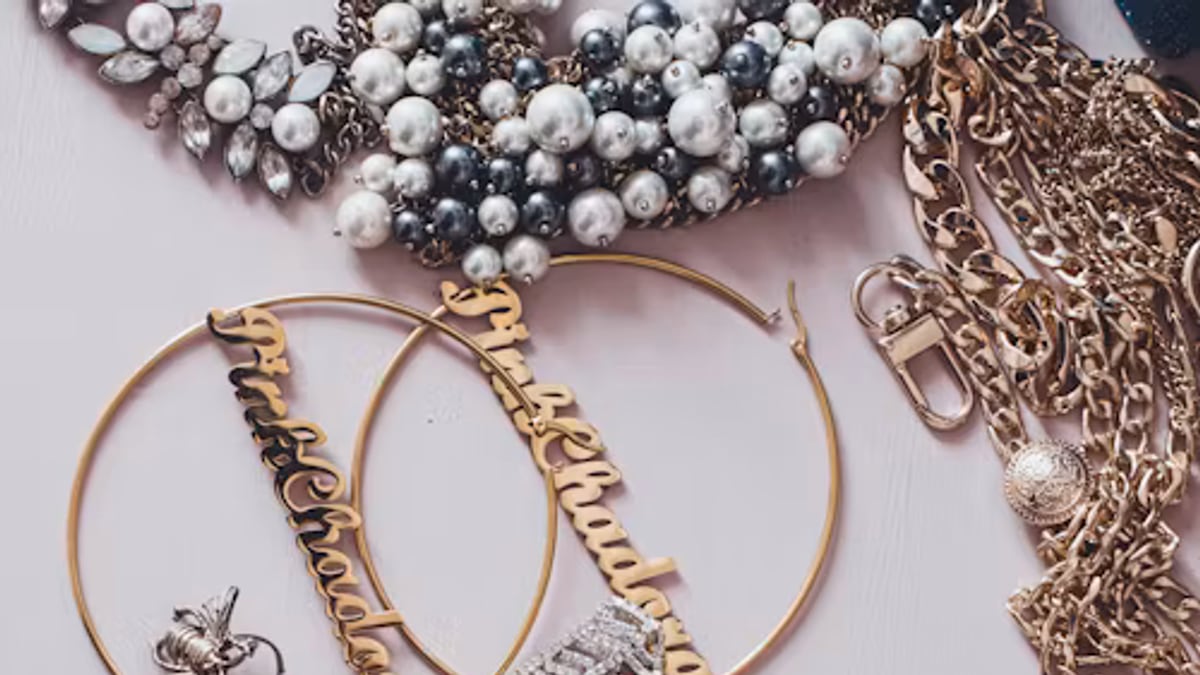
A necklace stays on through a commute, desk work, and an evening walk; earrings may remain in during a phone call or quick shower. Delicate-looking details can become fussy if they snag or irritate.
Choose simple jewelry that suits frequent wear and realistic care habits. That means beginning with the moments that repeat each week, then removing features that solve situations you rarely encounter. A shorter, honest list is usually more useful than an impressive specification sheet.
Start with the routine, not the aisle
Write down where the item will live, who will use it, and what happens immediately before and after use. Consider storage, cleaning, charging, laundering, or packing as part of the purchase—not chores that somehow begin later. The right choice should make the whole sequence easier.
Three details worth comparing
- Closure you can operate. Compare this in the context of your space, schedule, and existing belongings.
- Edges that do not catch. Compare this in the context of your space, schedule, and existing belongings.
- Material care requirements. Compare this in the context of your space, schedule, and existing belongings.
When two options look similar, favor the one whose dimensions, controls, care instructions, or return conditions you can understand before purchase. Marketing language is less useful than a clear picture of daily ownership.
The common buying mistake
Assuming every gold-colored or silver-colored finish tolerates water, lotion, and sweat the same way. A better check is to imagine a slightly inconvenient Tuesday: limited time, imperfect weather, a crowded room, or one hand already occupied. If the item still feels manageable, it is more likely to earn regular use.
The tradeoff to decide in advance
Solid materials cost more upfront; plated pieces offer variety but generally need gentler care. Neither side is automatically better. The useful question is which compromise you will notice most often and which one you can comfortably accept.
Ready to narrow the field?
Use the criteria above while reviewing current availability, materials, dimensions, and seller terms. Prices and inventory can change, so confirm the details on the merchant page.
View buying options →Before you order
- Measure the space, body, bag, shelf, or route involved rather than relying on memory.
- Read the current care instructions and return policy, especially for fit- or comfort-dependent purchases.
- Check what is included in the box and which accessories or refills create an ongoing cost.
- Save the packaging until you have tried the item in the real routine it is meant to support.
Bottom line
Choose simple jewelry that suits frequent wear and realistic care habits. Keep the decision anchored to your most frequent use case, choose the tradeoff deliberately, and resist paying for complexity that will not improve an ordinary week.